
A new report by the UN Panel of Experts on Yemen, submitted to the UN Security Council in mid-October, revealed that the Houthi group continues to consolidate its political and military control over areas under its rule while refusing any genuine internal dialogue, amid a rapidly deteriorating economic and humanitarian situation across the country.
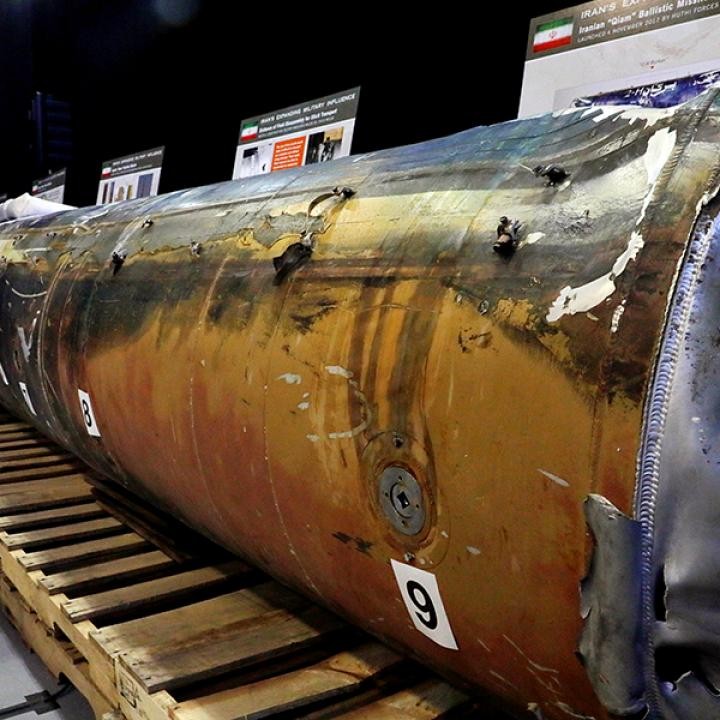
According to the report, the Houthis have expanded their military and technical capabilities throughout the year — including the development of drones and ballistic missiles — as part of a long-term expansionist strategy that has strengthened their position despite international efforts to curb their activities.
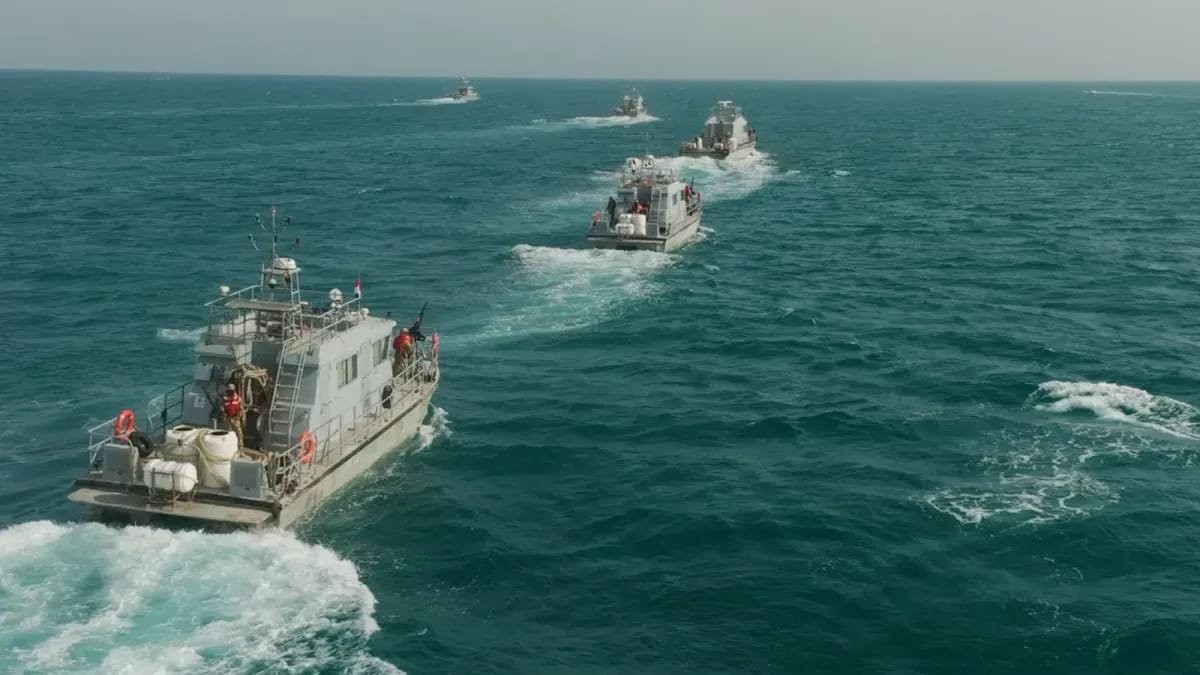
The panel noted a sharp escalation in Houthi attacks on commercial vessels in the Red Sea and Bab al-Mandab Strait, particularly following the outbreak of the war in Gaza, with the group claiming its operations were part of its “support for Palestine.” These attacks, the report said, have drastically increased global shipping costs and forced many vessels to reroute away from the Red Sea, negatively impacting both the global economy and Yemen’s already fragile living conditions.
The report further confirmed that U.S. and Israeli forces have carried out repeated military strikes against Houthi targets in Sana’a, Hodeidah, and Saada, in an effort to reduce the group’s threat to international navigation. However, the Houthis have retained a high operational capacity, indicating a continued flow of Iranian military and technical support through complex maritime smuggling networks stretching from the Gulf of Oman to Yemen’s western coast near Hodeidah.
The experts also concluded that the Houthis use periods of political calm and international negotiations as a tactic to buy time, allowing them to tighten administrative and financial control over state institutions.
On the economic front, the report accused the group of seizing public revenues, including customs and tax collections, and financing its operations through illegal levies, extortion, and fuel smuggling, while the internationally recognized government struggles to assert institutional authority in liberated territories.
The panel warned of a deepening financial divide between Sana’a and Aden, which has fueled skyrocketing prices of basic goods, non-payment of salaries, and a collapse of public services — describing the situation as a “dangerous economic deterioration that could lead to systemic collapse.”
In the human rights section, the report documented serious violations of international humanitarian law by all parties, but emphasized that the majority were committed by the Houthi group in areas under its control, including arbitrary detentions, enforced disappearances, repression of women and journalists, and the continued recruitment of children.
The experts also highlighted the Houthis’ obstruction of humanitarian aid and the imposition of severe restrictions on international organizations operating in Sana’a, which has exacerbated the suffering of millions of Yemenis dependent on aid for survival.
The UN Panel concluded that the conflict in Yemen now poses a direct threat to regional and international security, warning that the absence of a comprehensive settlement could trigger further escalation and collapse. It urged the Security Council to take stronger measures to halt the flow of weapons, hold perpetrators accountable for human rights abuses, and safeguard maritime security in one of the world’s most strategic waterways.